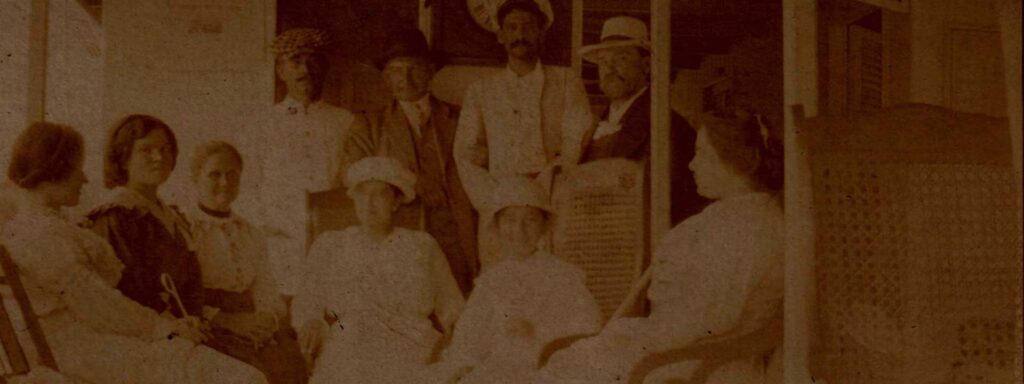
Do slides fade? Yes, colour slides do, and it can happen even in a closed box. If your family’s slides have spent decades in a cupboard, the colours you remember may not be the colours that are there now. The good news is that slowing it down is simple, and a good scan keeps the picture as it is today.
Why do slides fade?
The colours in a slide are made from organic dyes, and those dyes are not stable. The DOCAM conservation guide explains that the chemical reactions in colour film are ongoing, and that some dyes deteriorate even in darkness. So time alone will change a slide. Three things speed it up.
- Heat. The Northeast Document Conservation Center says the rate of chemical deterioration in most photographic materials roughly doubles with every 10°F (about 5.5°C) rise. In Perth, that makes a garage, shed or roof space a poor home for a box of slides.
- Light. Light and heat both damage colour film, and a projector delivers both at once. Museums avoid projecting original slides for this reason. Those family slide nights were worth it, but each one left a small mark.
- Humidity. Damp air destabilises the dyes and shifts the colours. In very humid, poorly ventilated spots, mould can follow.
Do some slides last longer than others?
Yes. DOCAM notes that Kodachrome offered a much longer lifespan than other colour emulsions, which is one reason museum collections used it. Many mounts carry the film brand, so it is worth a look. Even so, no slide is permanent, and how a slide was stored matters as well as what it was shot on.
How to store old slides
- Keep them in the dark, in a box or cabinet.
- Choose an interior room or wardrobe, away from outside walls, vents and heat sources. Avoid the garage, the shed and the roof space.
- Aim for cool and stable. The Library of Congress recommends 70°F (about 21°C) or below, at 30 to 50 per cent relative humidity.
- If you use sleeves, choose uncoated polyester, polypropylene or polyethylene, and avoid PVC. Sealed sleeves are a bad idea, because slides need air around them.
- Check glass-mounted slides now and then. Glass can trap moisture, and mould can grow there.
Why scanning old slides makes sense
A scan will not stop the original from ageing, but the digital copy will not fade. You can keep it in more than one place and share it with the whole family. Timing matters too, because severely damaged film cannot be brought back. The sooner a slide is scanned, the more of its colour is saved.
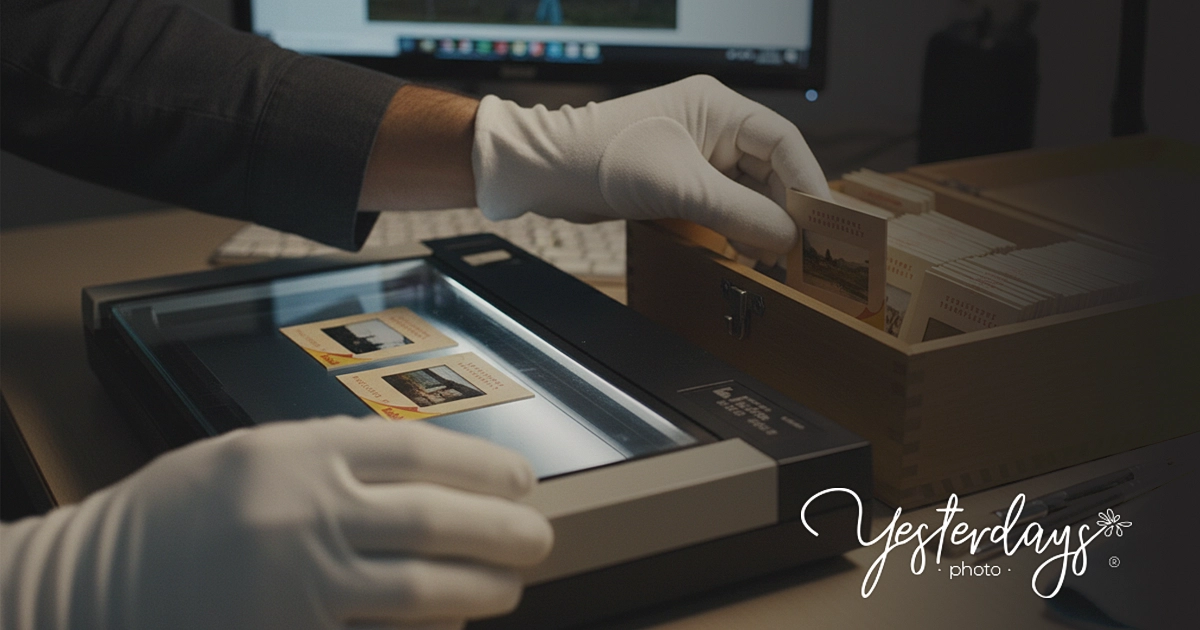
Our slide scanning service handles every slide by hand, one at a time, on professional film scanning equipment at 3200 dpi and 48-bit colour. You receive an archival scan and a separate optimised copy of each slide. Restoration is a separate service, quoted on its own.
This week’s slide show
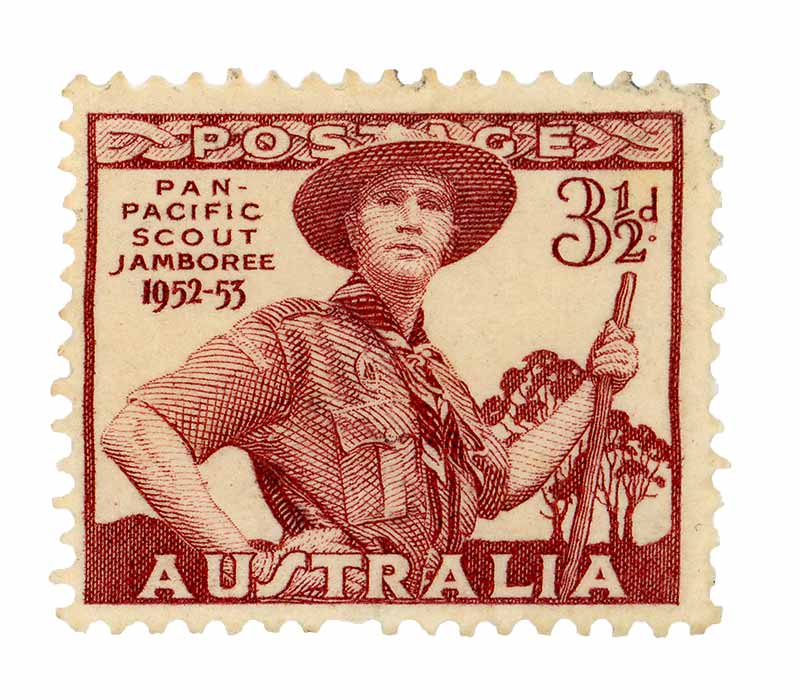
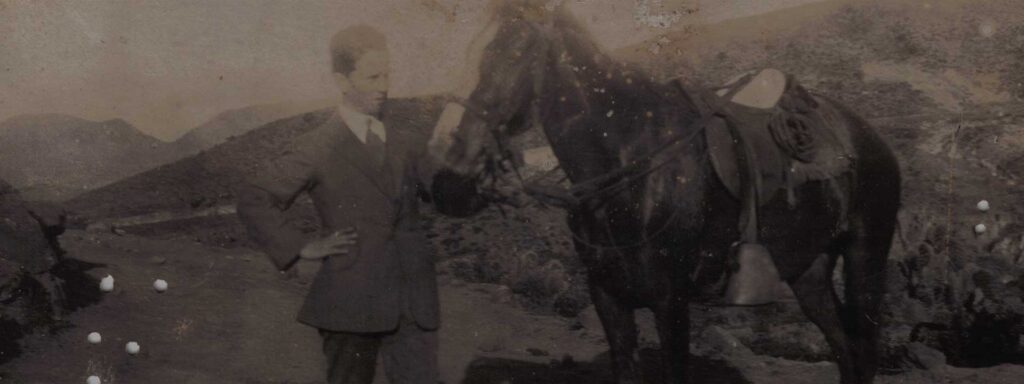
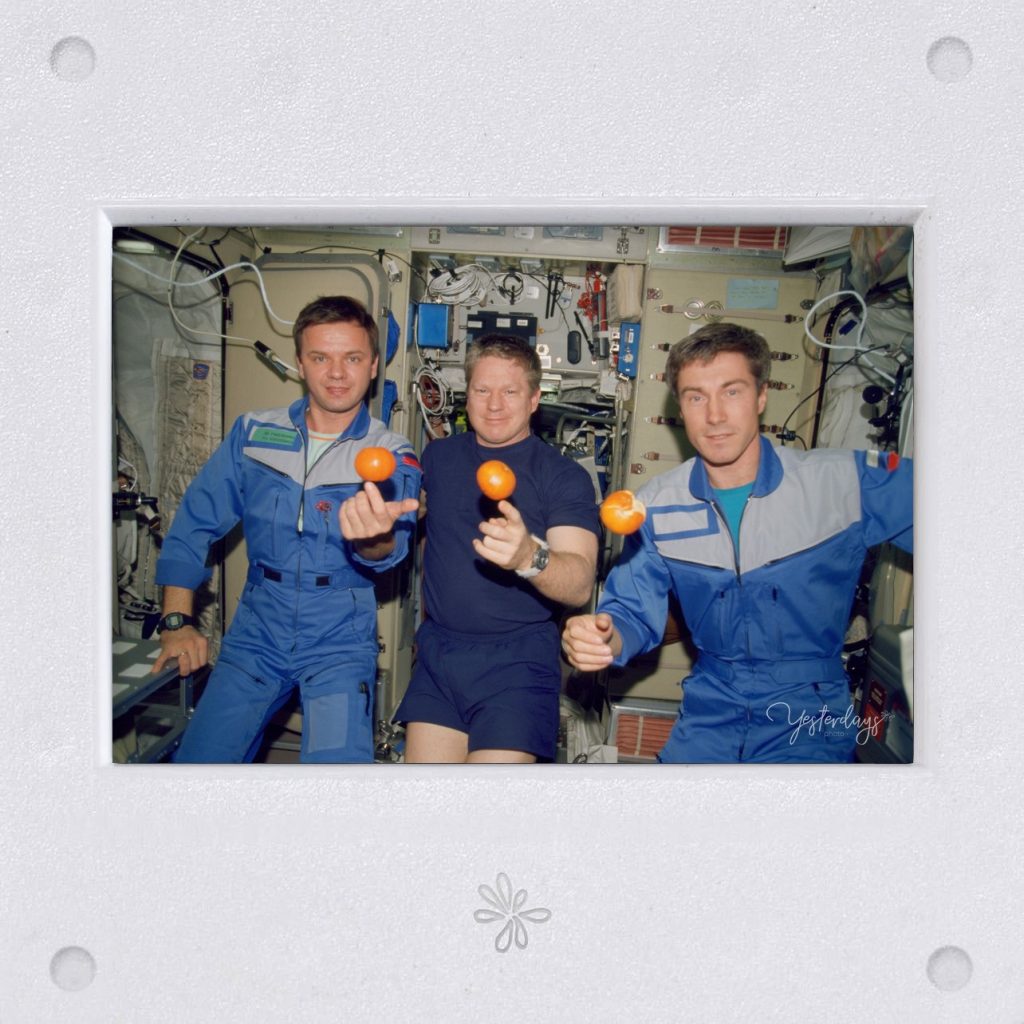
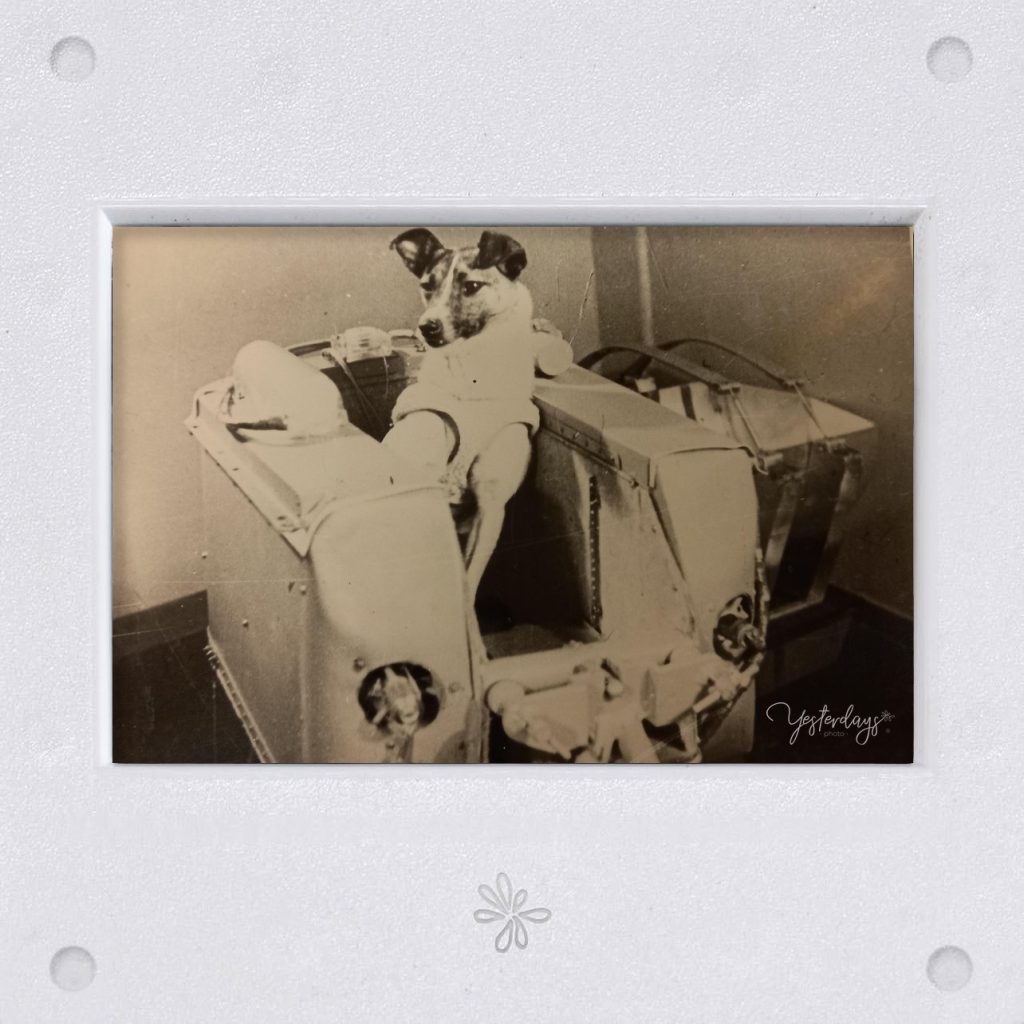
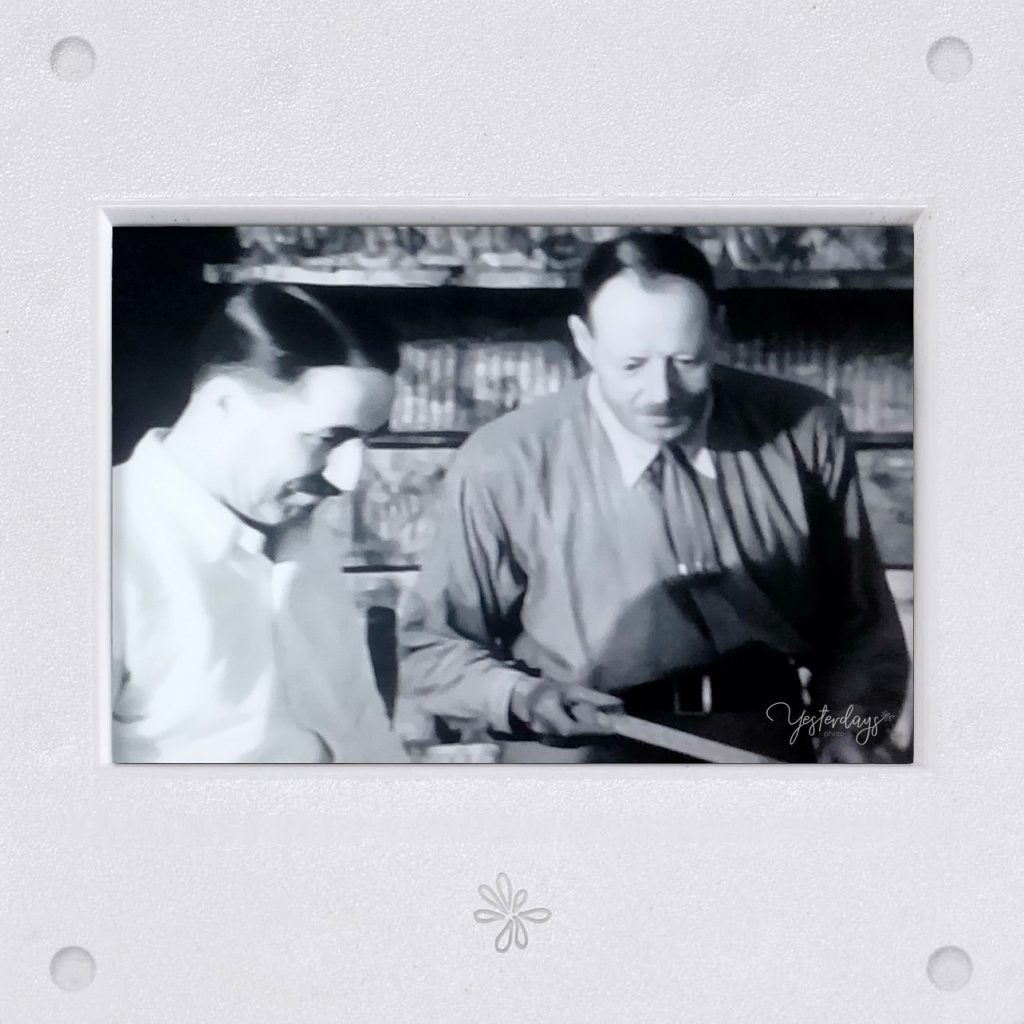
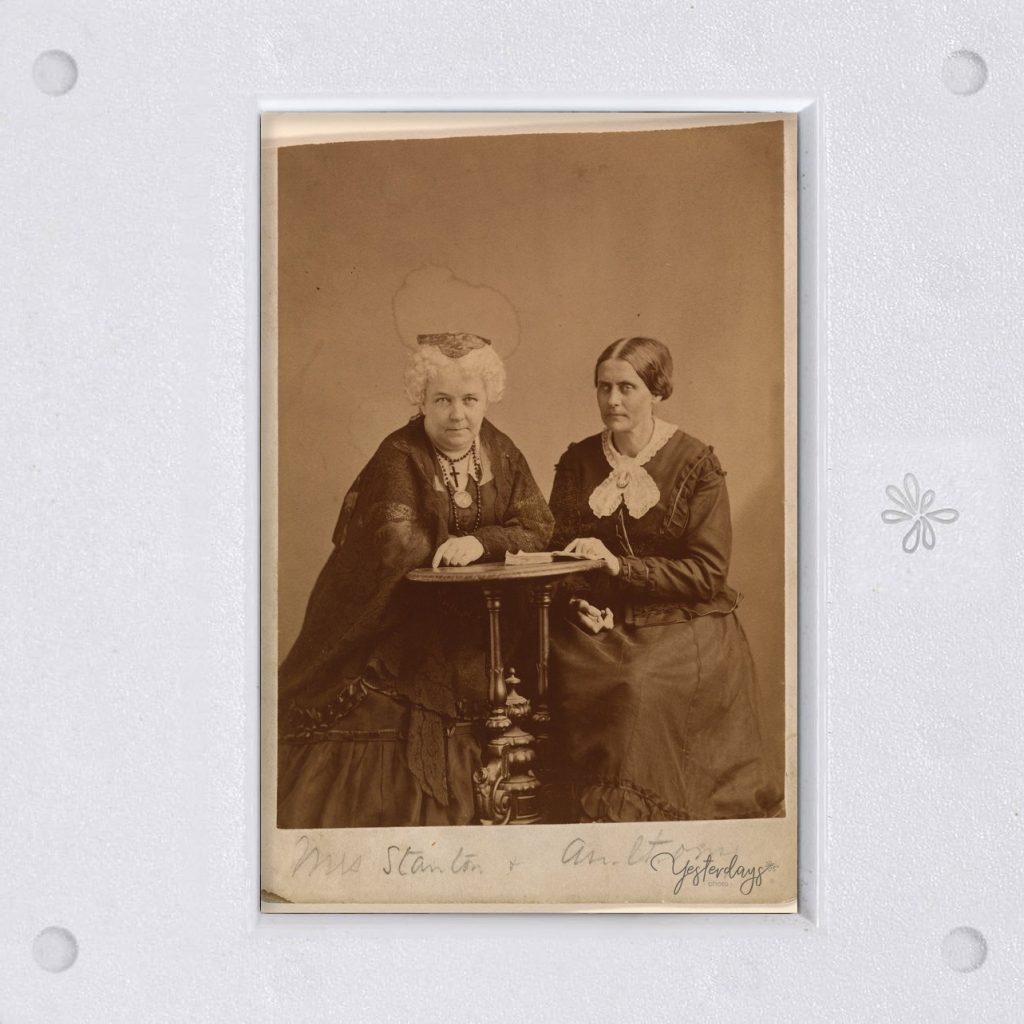
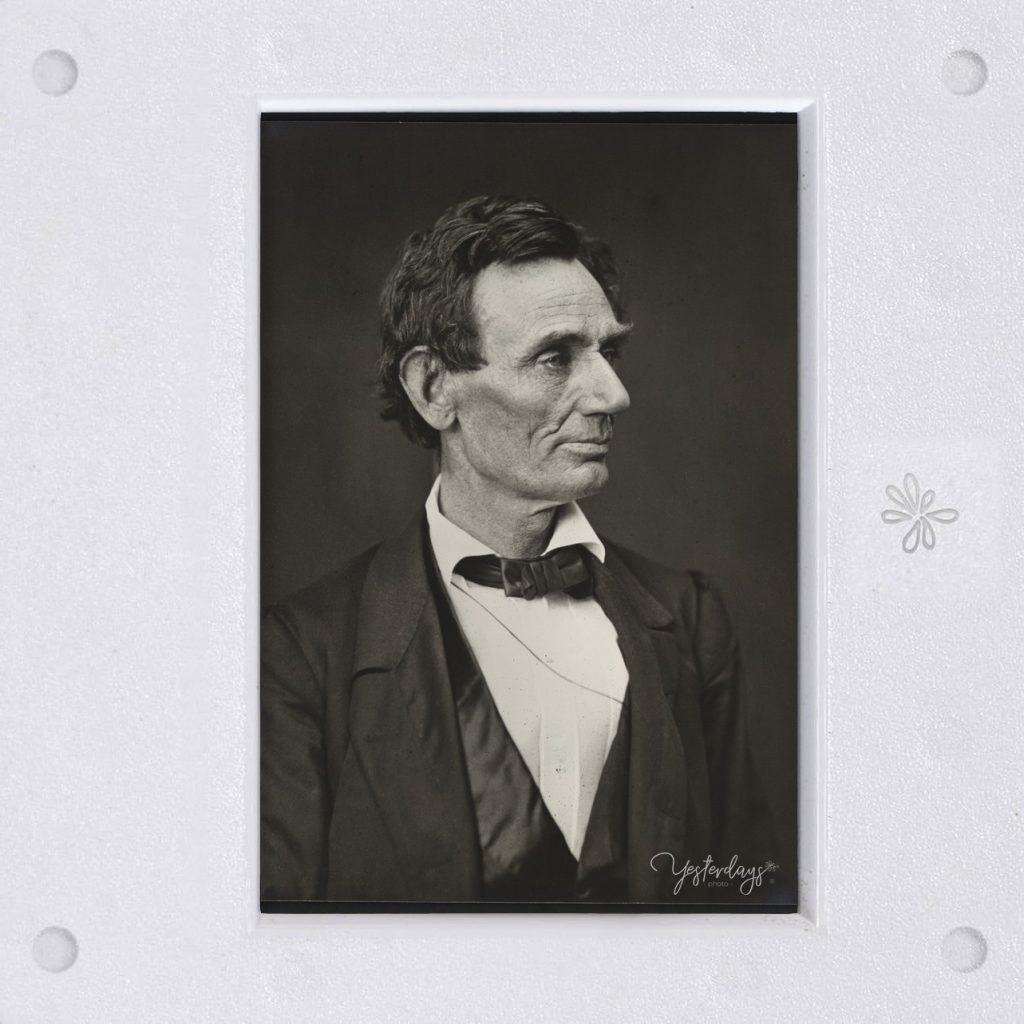
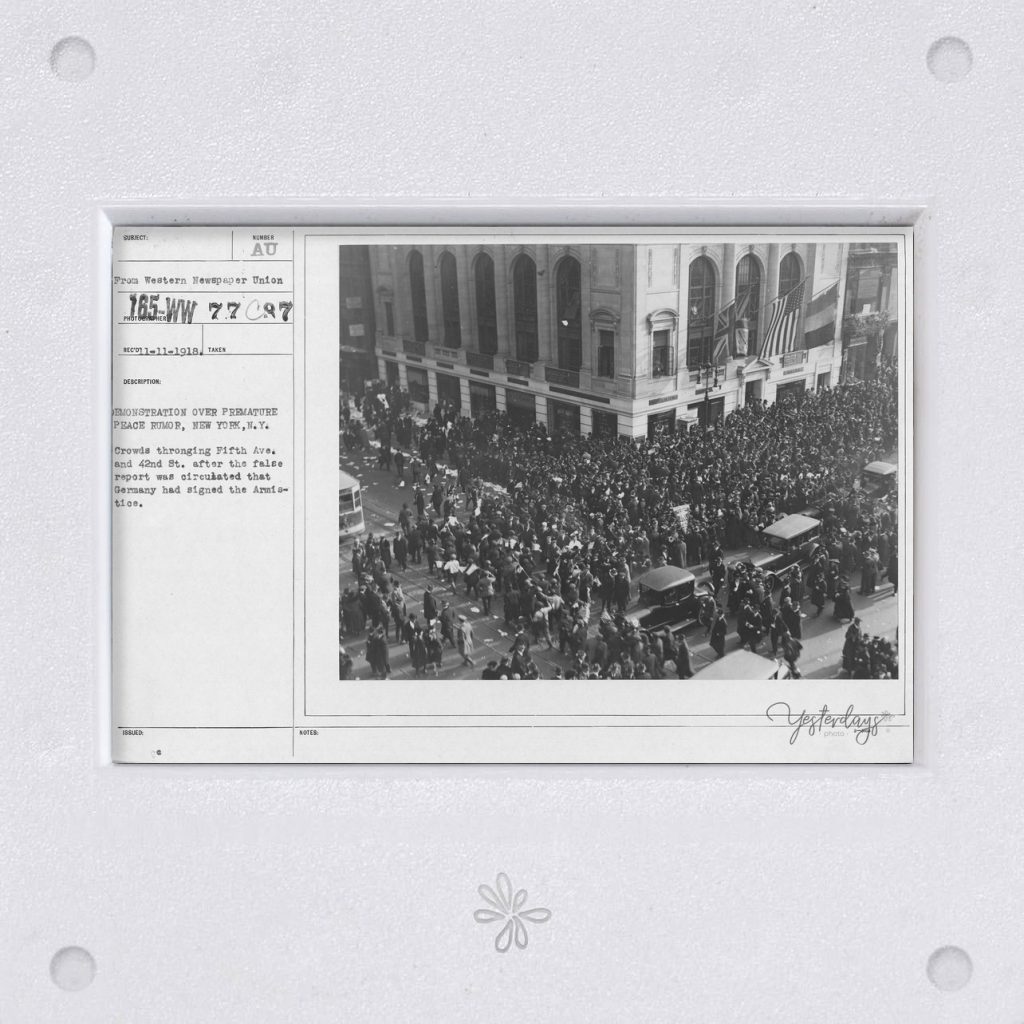
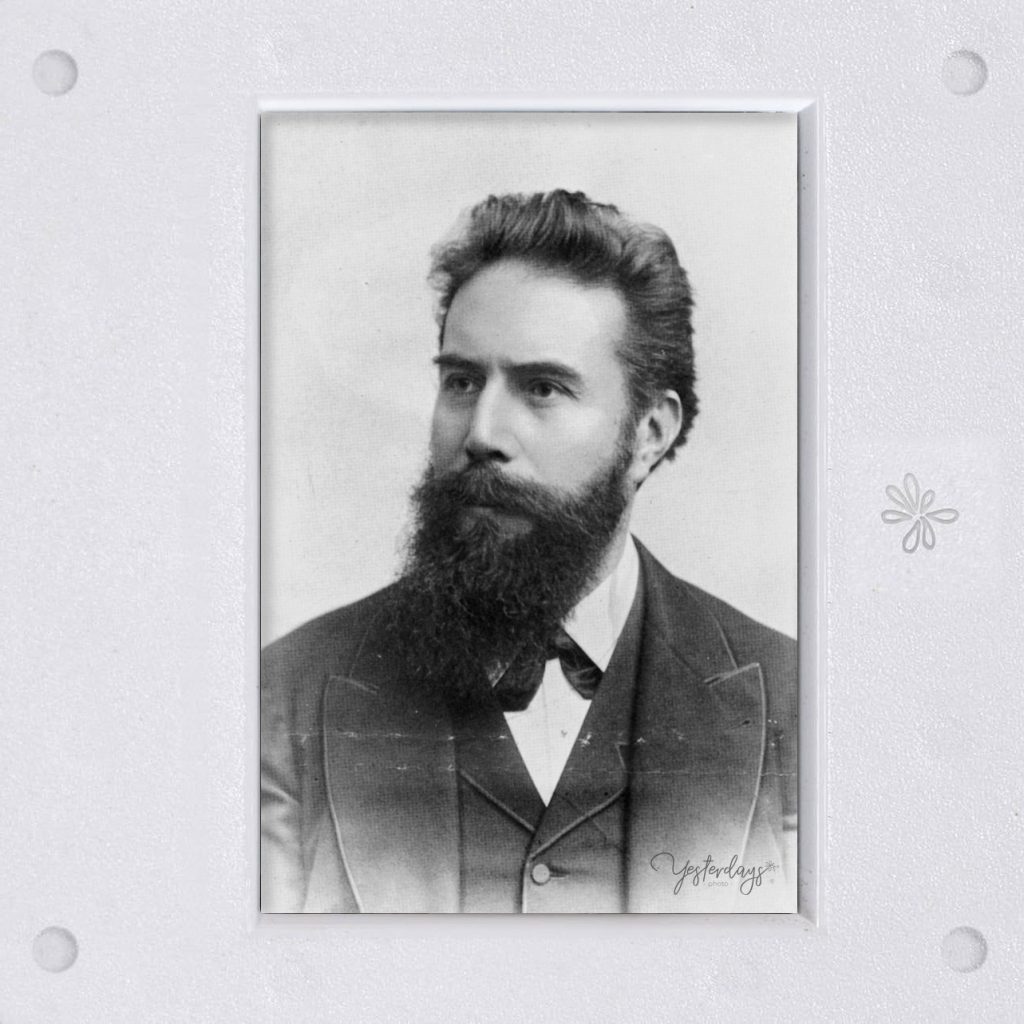
Every morning we share a moment from history on Facebook and Instagram, presented in a slide mount as a tribute to the slide nights many of us grew up with. The photographs come from the public domain and the mounts are our own digital homage, so think of it as a slide night for history. Here are this week’s.
Have a box of slides at home?
We accept all slide formats and take parcels from across Australia. See how our slide scanning works and what it costs, or get in touch and tell us what you have.
Sources: DOCAM conservation guide; Northeast Document Conservation Center, Preservation Leaflet 5.3; Library of Congress, Care, Handling and Storage of Photographs.
General information only. Before you try anything on an original, request a free damage assessment.